

Why Choosing the Right Forging Partner is Critical to Success
Choosing a forging partner involves more than comparing equipment or production capacity. The right relationship can influence component quality, scheduling, efficiency, and the ability to address manufacturing challenges before they affect a project.
At Carbo Forge, we understand what manufacturers expect from a dependable metal forging resource. From our Fremont, Ohio, location, we focus on practical collaboration and consistent processes that help customers move from initial requirements to repeat production with confidence.
Capabilities Must Match the Application
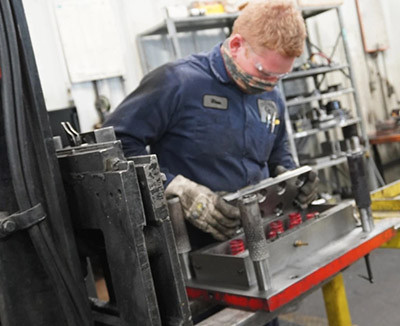
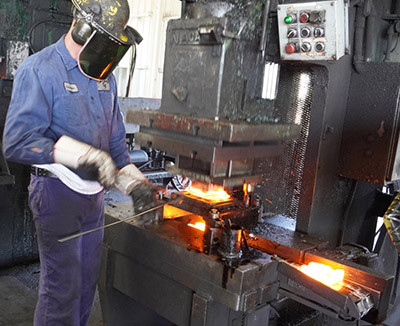
Every forged component has distinct requirements. A qualified partner should evaluate the part design, material, tolerances, tooling needs, production volume, and end-use demands. Reviewing a supplier’s forging capabilities can help determine whether its equipment and experience align with the application.
-
Design support: Early collaboration can identify potential production concerns.
-
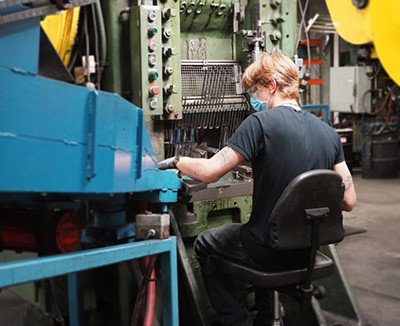
Process control: Defined procedures help promote consistency across production runs.
-
Capacity: Available resources should support current and anticipated volume needs.
-
Material knowledge: Experience with appropriate metals can guide process decisions.
Quality and Communication Support Long-Term Results
A forging partner should maintain clear quality practices and communicate throughout the project. Customers benefit when expectations, documentation, inspections, and production updates are handled consistently. Learning about a manufacturer’s quality approach provides useful insight before work begins.
Local accessibility can also simplify technical discussions and strengthen working relationships. For manufacturers near Fremont and throughout the region, proximity may make planning and coordination more convenient. A partner’s history, team, and manufacturing perspective also matter, which is why reviewing its company background is an important part of the selection process. The best fit combines suitable capabilities, disciplined quality practices, responsive communication, and a clear understanding of each component’s requirements.