

The Forging Process Explained: How Metal Forging Works
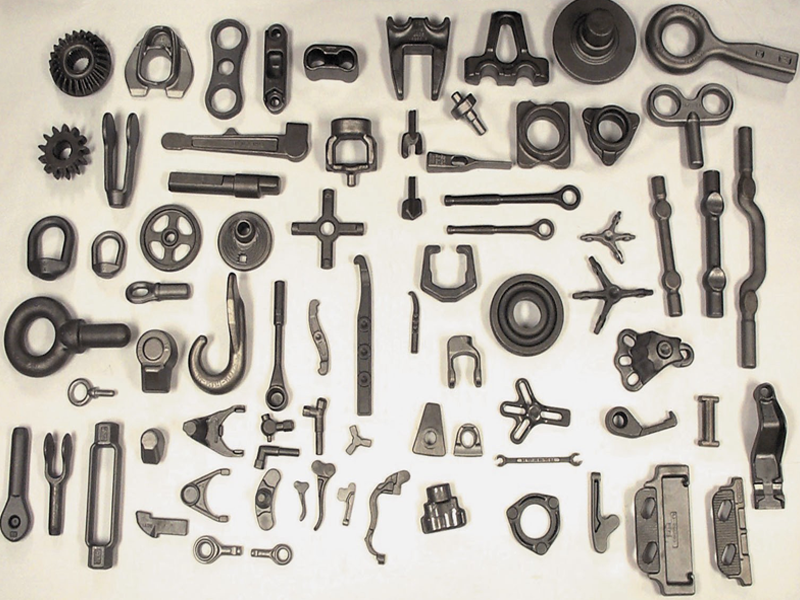
For over a century, forging has been the preferred manufacturing method for components that must withstand extreme stress, impact, and demanding operating conditions. From aerospace parts to heavy equipment components, forged metals deliver the strength and reliability that engineering-critical applications require.
Request a Free Estimate
What is Metal Forging?
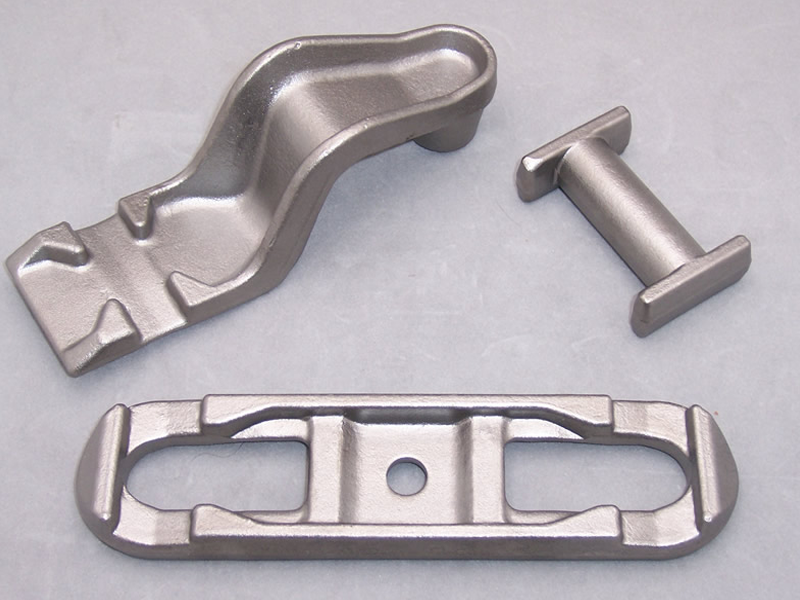
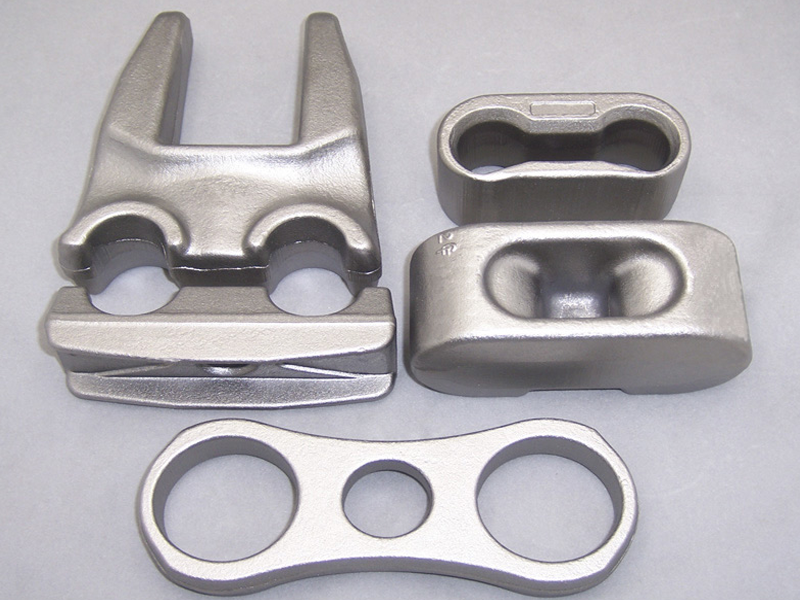
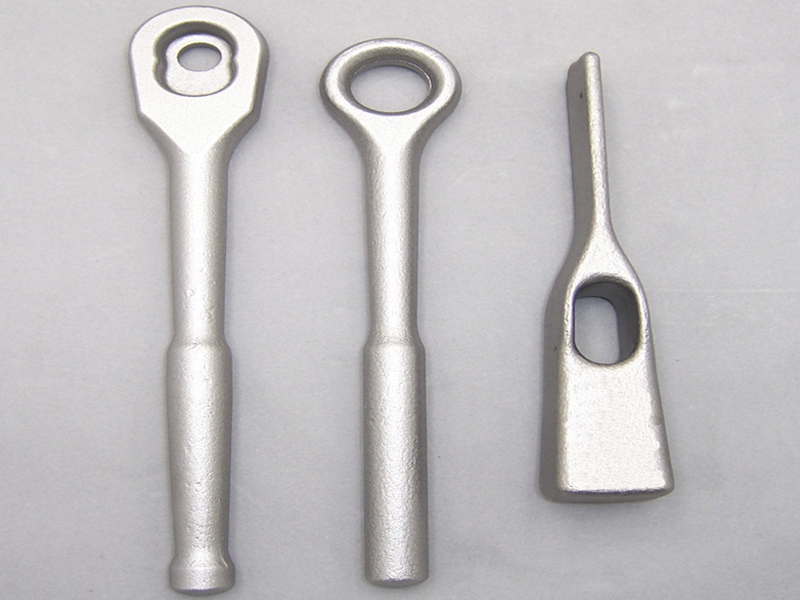
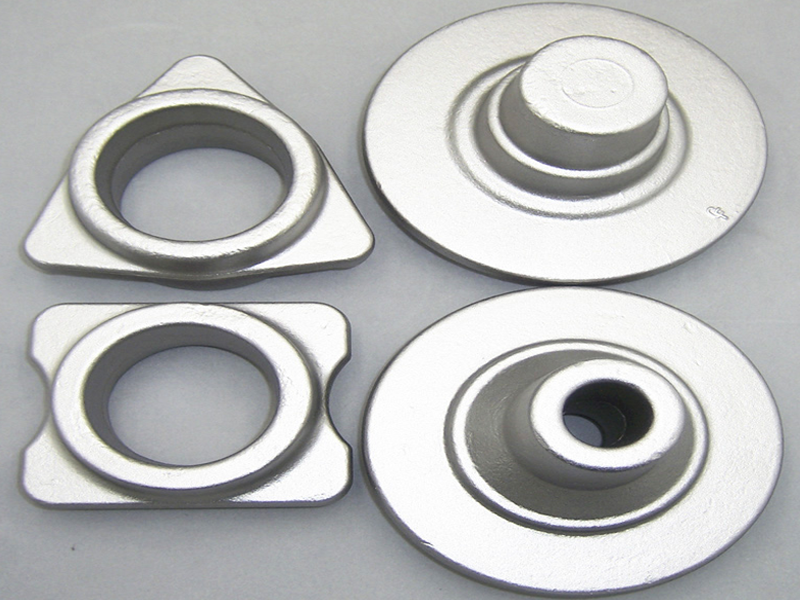
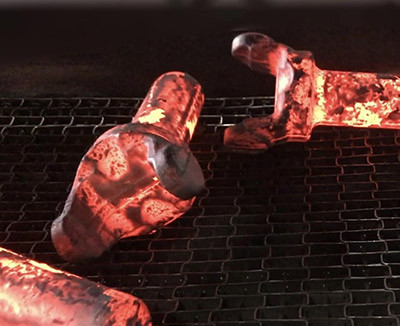
Metal forging is a manufacturing process where heated metal is shaped through controlled application of pressure—typically through hammering, pressing, or rolling. Unlike casting, which pours molten metal into a mold, or machining, which removes material from a solid block, forging compresses and reshapes the metal's internal structure.
The key to forging's superior strength lies in what happens at the metallurgical level. When metal is heated and deformed during forging, the internal grain structure refines and aligns with the shape of the part. This grain alignment creates a denser, stronger material with improved fatigue resistance and fracture toughness.
REQUEST A QUOTE
Open Die Forging vs. Closed Die Forging
While all forging shares the same fundamental principle—heating and deforming metal under pressure—there are two primary methods, each suited to different applications.
Open Die Forging
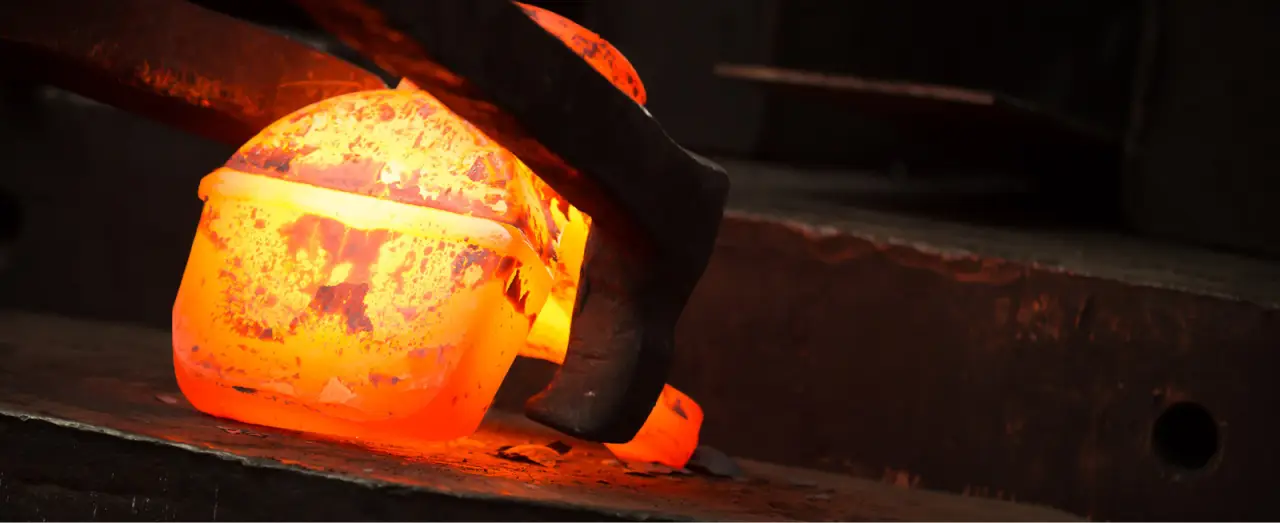
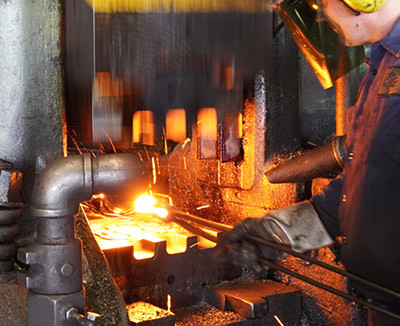
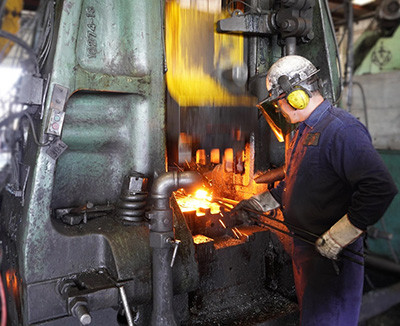
Open die forging, also called free forging or smith forging, uses simple, flat or semi-shaped dies. The metal workpiece is heated (typically between 1900°F and 2250°F) and repeatedly struck by a hammer or press, with the operator rotating the part between strikes to gradually shape it into the desired form.
- Minimal tooling cost — Simple dies mean low setup costs, making open die ideal for low-volume or custom parts.
- Larger parts — Open die can accommodate very large forgings that would be impractical with other methods.
- Design flexibility — The operator can adjust the shaping process based on the material's behavior, enabling custom geometries.
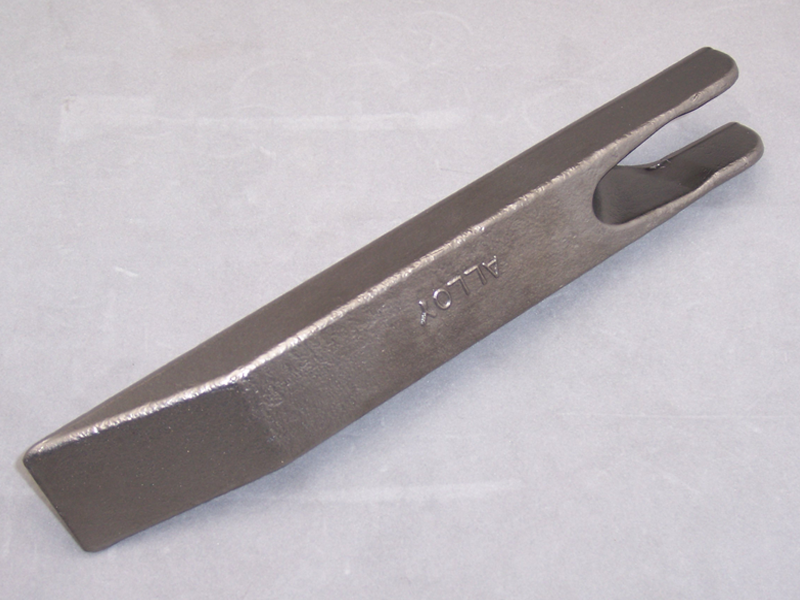
Open die forging is commonly used for shafts, bars, discs, and large structural components where exact tolerances are less critical than overall strength.
Closed Die Forging
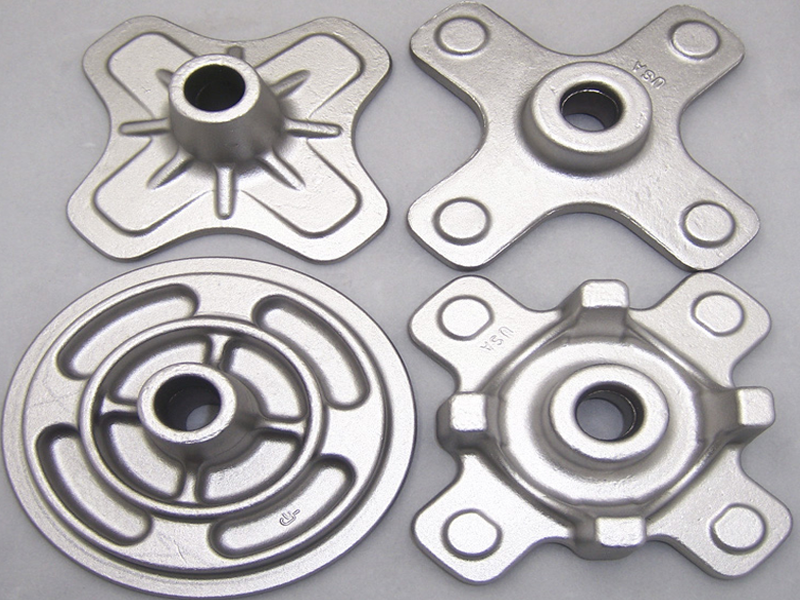
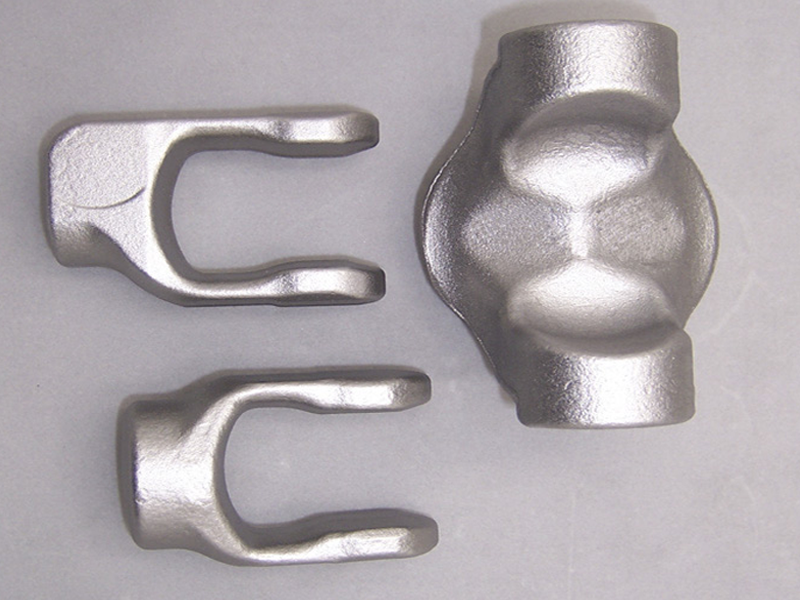
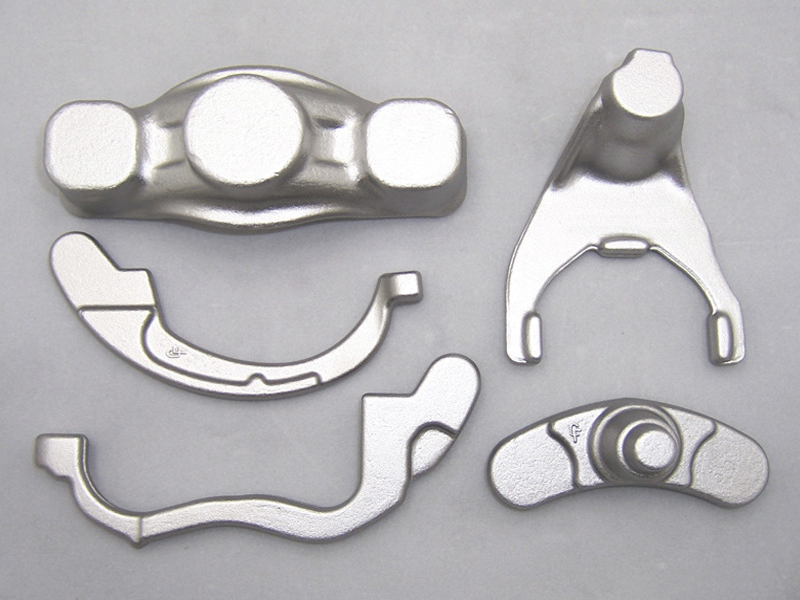
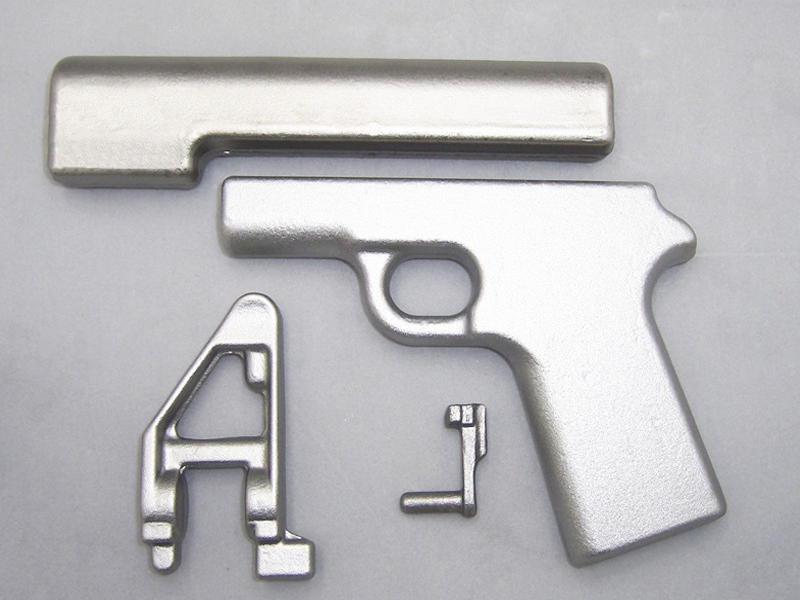
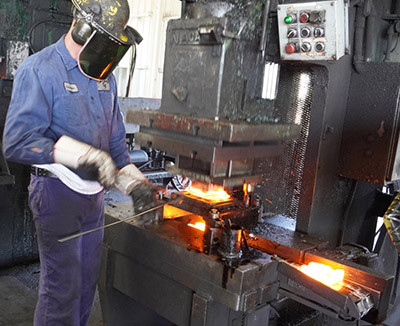
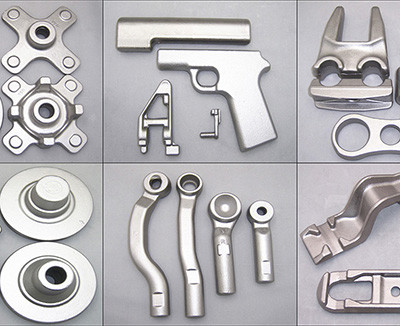
Closed die forging, also called impression die forging, places heated metal between two precision-shaped dies and applies significant pressure—either through a hammer blow or hydraulic press. The metal flows and fills the die cavities, creating a part that closely matches the final desired shape.
- High precision — Tight tolerances with minimal variation part to part.
- Complex geometries — Detailed features can be incorporated into the die design.
- Minimal machining — Little material removal is needed after forging, reducing secondary operations.
- High production efficiency — Once dies are created, production rates are fast and consistent.
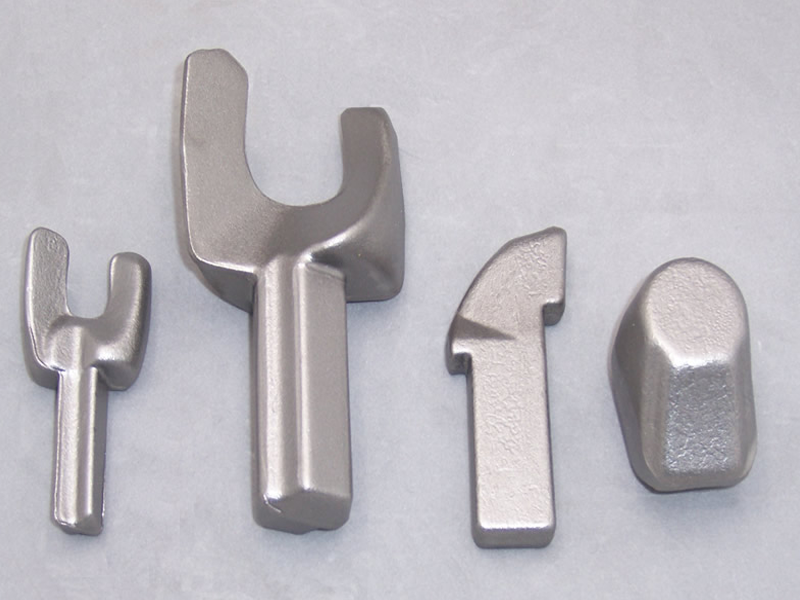
Closed die forging dominates high-volume production, especially in the automotive, aerospace, and industrial equipment sectors.
REQUEST A QUOTEHow Forging Strengthens Metal:
The Grain Structure Advantage
The superior strength of forged parts stems from the metal's internal structure. When metal is cast or machined, it retains directional weaknesses. But during forging, the grain structure realigns with the shape of the part, creating a material that resists stress more effectively.

Higher Tensile Strength
Forged parts can handle greater loads before failing. The aligned grain structure distributes stress evenly throughout the component, providing strength that cast or machined parts simply cannot match.

Better Fatigue Resistance
Components withstand repeated stress cycles without cracking. This makes forged parts the preferred choice for applications involving continuous vibration, rotation, or cyclical loading.

Improved Ductility
The material remains somewhat flexible rather than becoming brittle. This balance of strength and flexibility is critical in components that must absorb energy without catastrophic failure.

Superior Impact Resistance
Parts can absorb sudden shock loads without fracturing. For this reason, critical components like transmission gears, suspension links, and engine connecting rods are almost always forged.
Materials Used in Forging
Forging works with virtually any metal that can be heated and shaped. The choice of material depends on the application's operating environment, stress levels, and specific performance requirements.
Carbon Steel
The most widely used forging material, offering good strength and cost-effectiveness for a wide range of industrial applications.
Alloy Steel
Enhanced with elements like nickel, chromium, or molybdenum for specialized properties like corrosion resistance or extreme temperature tolerance.
Stainless Steel
Ideal for applications requiring corrosion resistance, such as marine or chemical processing equipment.
Specialty Alloys
Titanium and other advanced alloys are forged for aerospace and high-performance applications demanding extreme precision.
Industries That Rely on Forged Components
Forging's combination of strength, reliability, and cost-effectiveness makes it indispensable across multiple industries.
Automotive
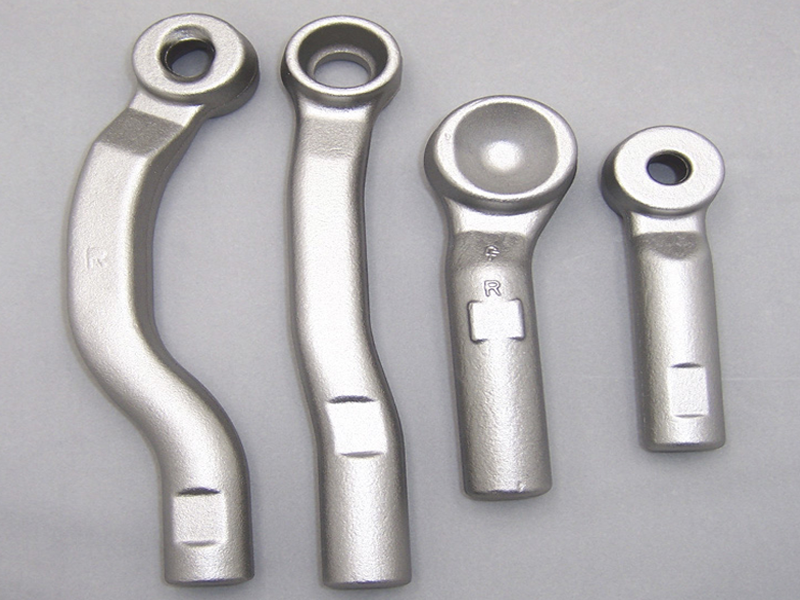
Transmission shafts, steering components, suspension parts, and engine elements.
Aerospace
Landing gear, engine components, fasteners, and structural parts where reliability is non-negotiable.
Oil & Gas
Drilling equipment, valve components, and pipeline fittings designed to withstand high pressure and harsh environments.
Heavy Equipment
Excavator arms, loader buckets, and industrial machinery parts built to endure extreme workloads.
Energy & Power Generation
Generator components, turbine parts, and equipment for renewable energy systems.
When to Choose Forging Over Casting or Machining
Each manufacturing method has its place, but forging is the right choice when:
- Strength is critical — The component experiences stress, impact, or vibration in service.
- Reliability matters — Failure isn't acceptable; the part must perform consistently.
- Volume justifies tooling — For high-volume production, closed die forging becomes economical.
- Tight tolerances are required — Closed die forging can hold specific dimensions reliably.
- Material properties must be optimized — Forging's grain alignment creates superior mechanical properties.
Conversely, casting works better for large, complex shapes with many internal cavities. Machining is ideal for one-off custom parts or applications where maximum design flexibility is needed.

IATF/ISO
Certified

Leading-Edge
Facility